How Do You Talk To Your Friends About Dance Church? by Brian Golden
You know when you find that great new shoe brand or skin care product that you absolutely love, and you just start telling all your friends about it? You stick out your foot (or whip out the bottle) and together you admire the color, the texture, the touch, the fragrance. You say “I got it at that new spot over on Broadway!” Your friend has everything they need to be able to find the product themselves, to enjoy a new pleasure or trend. But what if you found a new experience that you really love? How do you tell your friend about a feeling: about a moment of sensation in your body, or about how you felt after you lost your shit on the dance floor last night? How do you get them to go with you, next time?
How do you answer that one big question: What is Dance Church? Or, more interestingly: What does Dance Church mean to me?
There is a tension between describing something personal, ephemeral, experiential, and being clear enough to get someone else excited to jump in. That tension—between the ephemeral and the legible—is where the excitement, the magic, begins.
Naming the Feeling
“So… what is Dance Church?”
It’s a question I’ve been asked over the past few months. At first, I tried to respond with something functional:
“It’s a dance-based movement class that’s open to all bodies taught by dance artists."
But that didn’t feel like enough. It didn’t account for the energetic playlists, the hair flips that ripple across the room, or that moment when someone you’ve never met suddenly becomes your mirror.
So I tried something else:
“It’s like a party, workout, and somatic therapy session had a baby.”
More accurate, but also… chaos.
Eventually, I realized this:
“It’s something you feel before you understand it.”
And that, of course, is the exact problem when it comes to naming and sharing the magic of Dance Church. Writing or speaking about emotion, sensation, and movement is a tricky task. It moves. It shifts. It sweats. It is perceived with all the life experience and baggage you bring to the table. The class itself resists explanation, even as it invites you in.
Which means that putting words on paper, sending that text to your friend or capturing a photo that “explains” the wild sum total of the thing, so that it might be shared with someone you love, is a complicated and unexpectedly thrilling exercise in translation.
How do you take a collective, bodily, nonlinear experience and make it legible to someone who’s never been in the room? How do you get your best friend who’s afraid of dancing in public to join you at the next class?

The messy process of Translation (Communication)
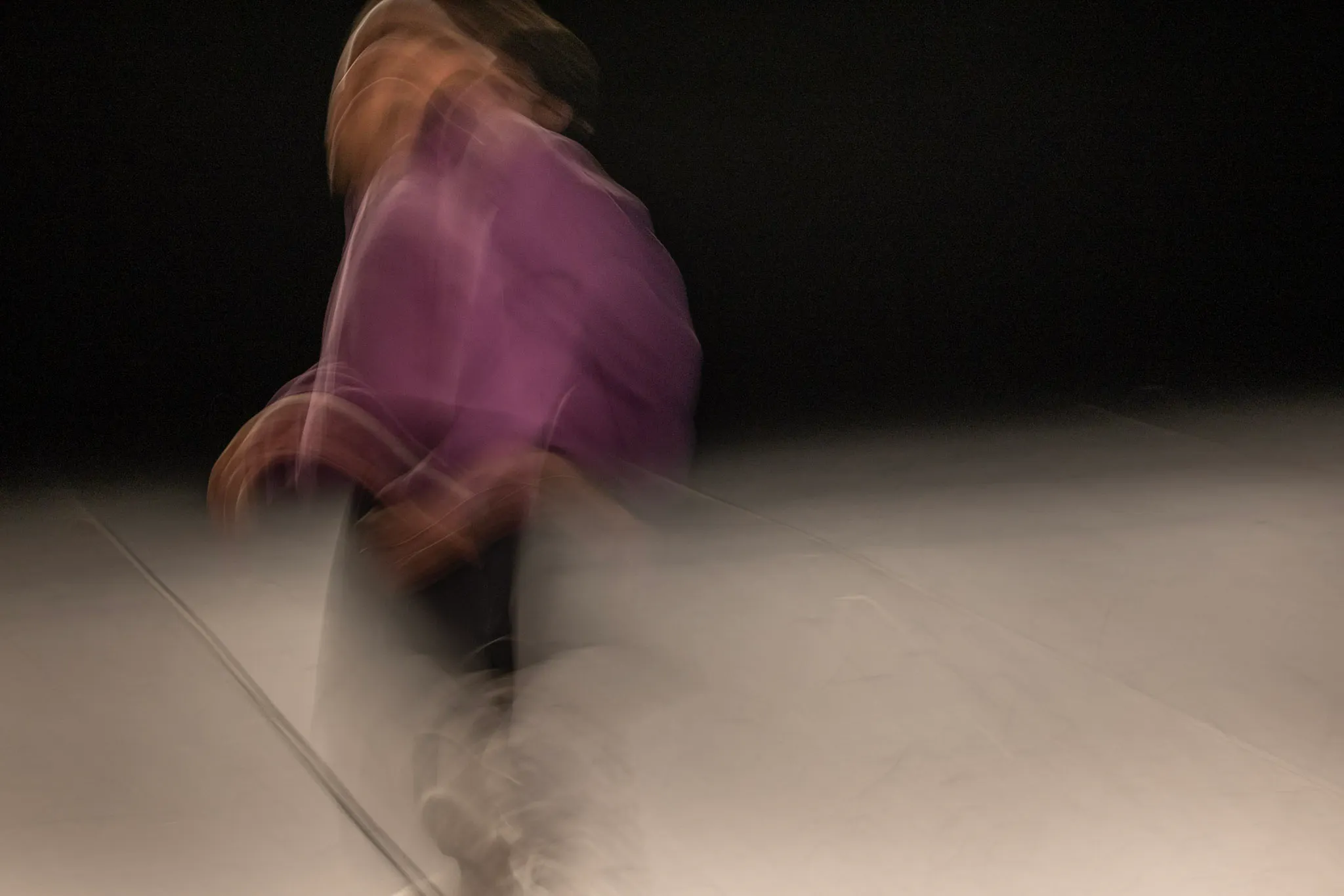
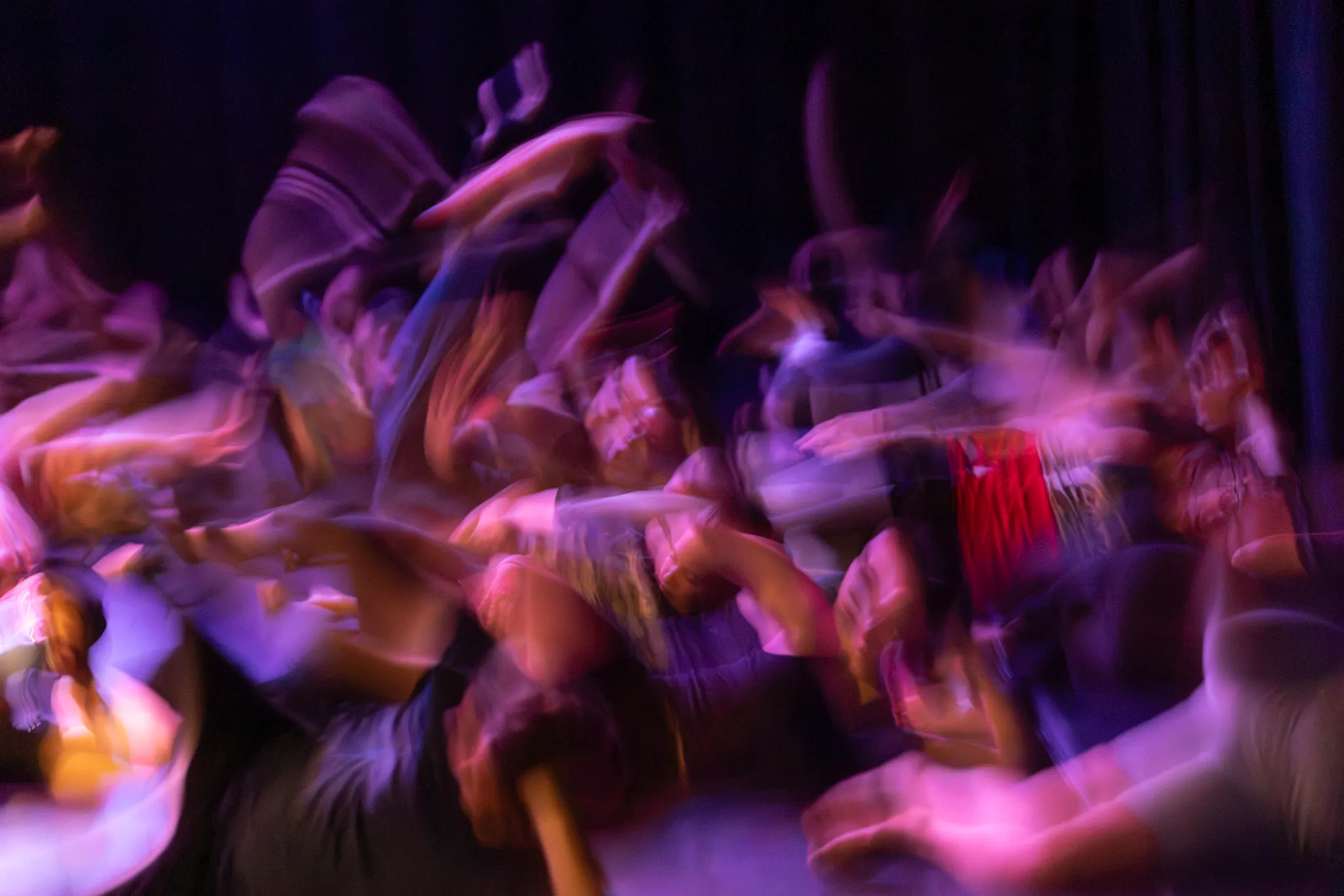
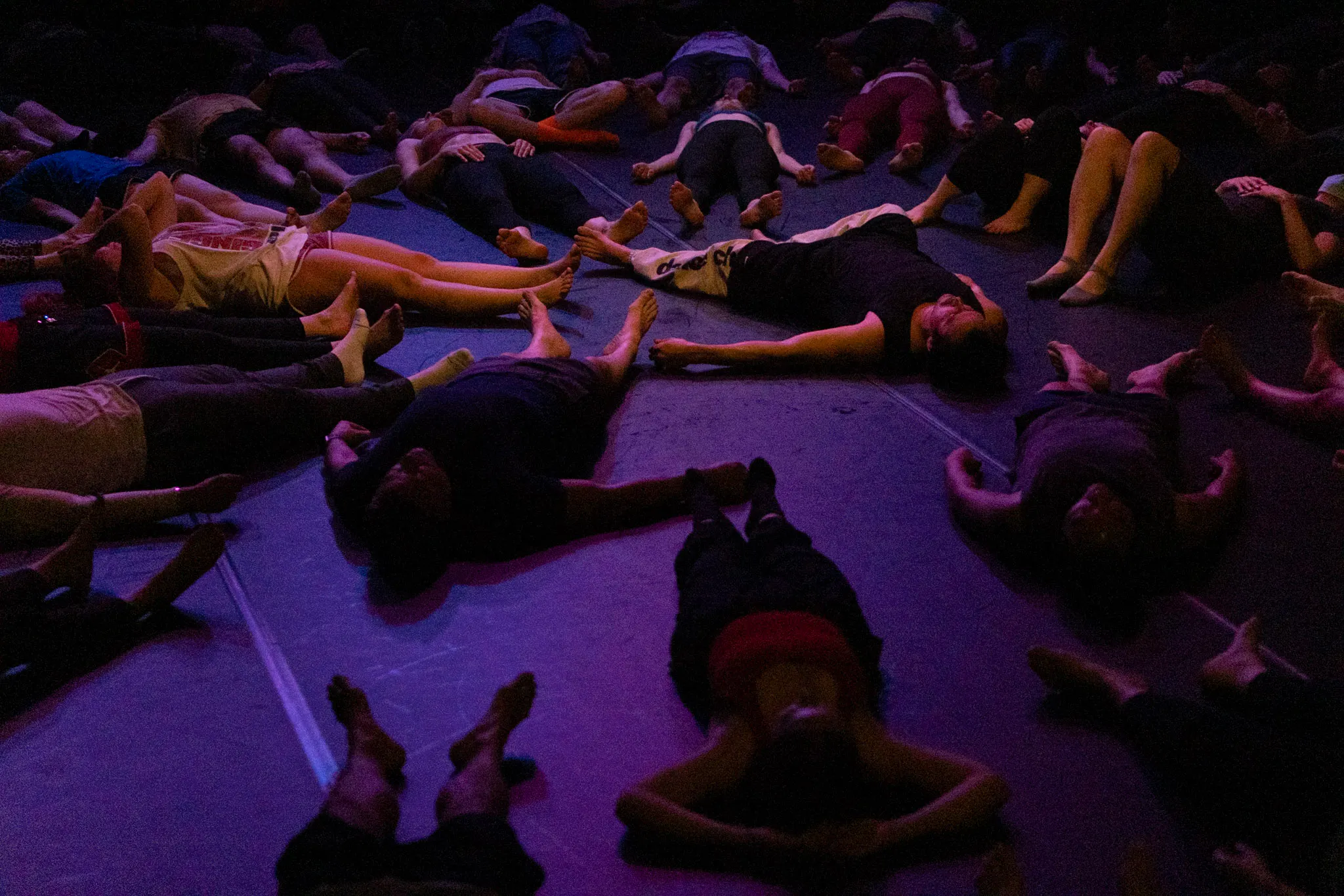
Dance Church is a visual, sonic, olfactory, social and vibrational experience. One class photo can catch a blur of sweat and hair in motion, and this is one way of communicating about the thing. A photo can do its own kind of communicative labor: ultimately, a photo might give you permission to imagine yourself inside the experience, but it’ll always be missing the heart of the thing: bodies — yours, mine, ours — in motion, together.
So what if we start, instead, by going back to the idea of that new shoe or skin care product: what does it mean to “kick out your foot” and really take a look at Dance Church, examine it together with your friend? What does Dance Church look like, what does it taste like, what does it smell like, what does it sound like when you ….er…. dance it?
Sometimes, the starting point is the feeling itself: joy, catharsis, permission, freedom.
Maybe it starts with a small story: “at one point, I was bouncing up and down with 70 other people, and I had my hand on my heart. So did everybody else. And then half a beat later, we were punching the air like fools, and I’d never felt my arms work like that before!”
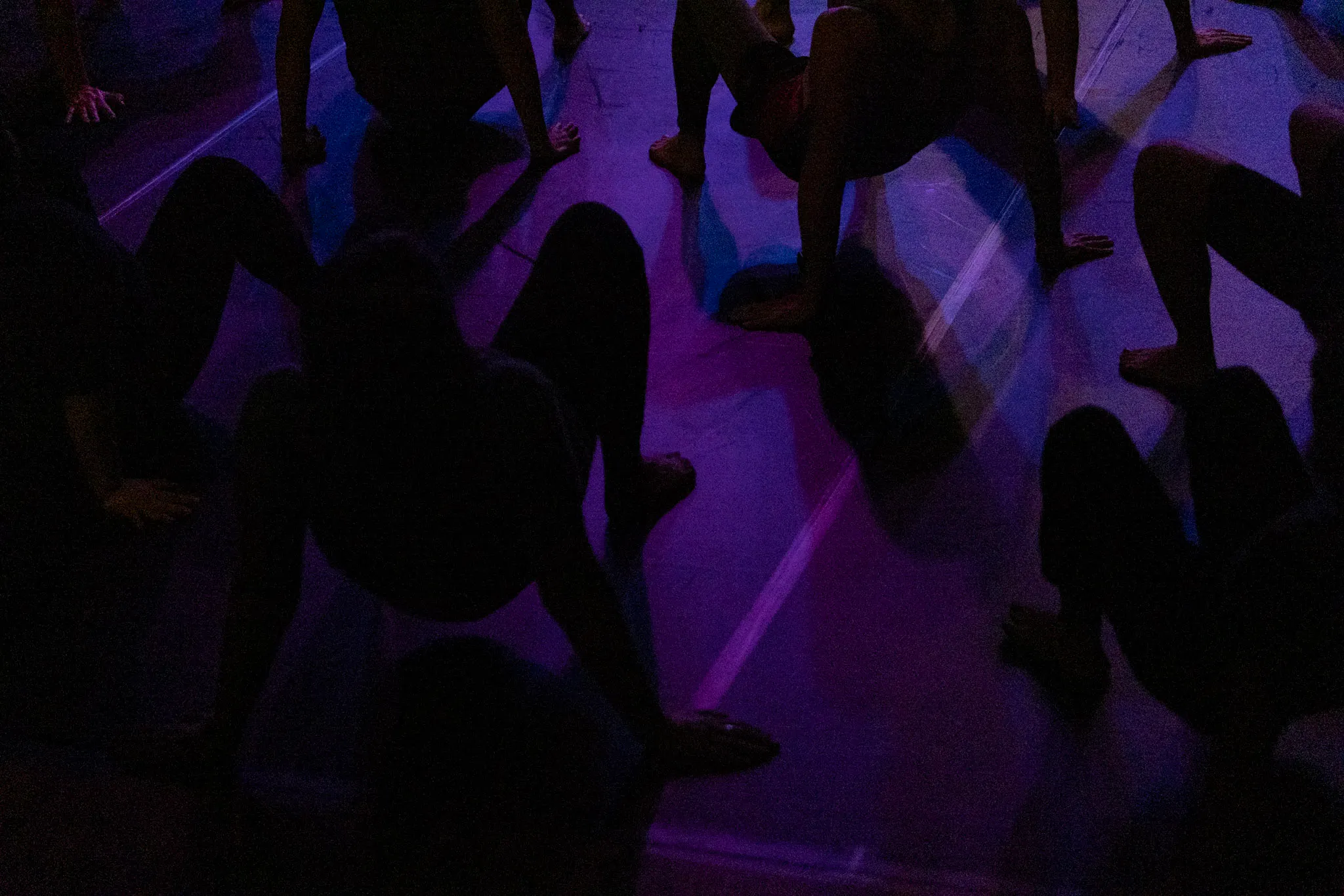
Maybe it’s about dialing in to sense memory: “I smelled eucalyptus and sweat, and for a second it felt like summer camp and a nightclub collided — especially under the cool, blue-purplish lighting that made the experience feel like a dream.”
In describing classes this way — like a sensory fantasy dream — it’s not that we’re avoiding clarity. It’s that the clarity lives in the sensation, the lived experience and connection with other humans.
Building Trust
Trust is the bridge. Most of us won’t sign up for something we can’t picture — we sign up because someone we trust says, “Come with me. I’ll be there.” The first time your friend signs up for class, they aren’t “buying” a definition; they’re borrowing your confidence. Willingness to try it out is really willingness to trust that you won’t totally understand what this is until you’re already inside it, sweating, laughing, and bouncing your bones across the floor. And suddenly, you’re on the inside of something that almost felt like a secret, a space you’d only understand if you dared step through the door.
Talking about Dance Church, then, becomes about making space: making space for people to walk in curious, unsure, excited by the unknown. To be changed not by what they were promised, but by what they actually felt.
It takes a particular kind of courage to say yes to something you don’t fully understand. To step into a room where the lights are low, the music is loud, and the invitation is open-ended. Dance Church doesn’t hand you a script. It hands you a beat and asks you to meet it with your body. That can feel terrifying. Or thrilling. Or both. But courage doesn’t always roar — sometimes it’s just getting in the car, tying your sneakers, and showing up. Sometimes it’s saying, “I’ll try,” even when you’re not sure what you’re trying for. And once you're in it — bouncing in unison, falling out of step, sweating through your fear — that courage shifts. It becomes joy. It becomes relief. It becomes presence.
Dance, by nature, is ephemeral. It’s not archived or bottled — it’s lived. If you come to Dance Church, you already know that. Building trust with your friends or new coworkers, getting them to step through the door with you, isn’t about permanence or predictability. It’s about presence. A chance to feel something real for an hour, then let it go.

—
Brian Golden is a neurodivergent choreographer and movement director based between Los Angeles and New York. He is pursuing an MFA in Choreography at the California Institute of the Arts, with minors in Pedagogy and Integrated Media. A 2024 MAP Fund recipient, he will premiere a new immersive work in 2026. His choreography explores conflict, sensation, and identity through lived experience. His work has been presented at The Joyce Theater, Battery Dance Festival, and Jacob’s Pillow. He has choreographed commercially for artists like Yung Gravy and Daddy Yankee and was the 2024 Choreography Fellow with AXIS Dance Company.